Expert Interior Design Strategies
Revitalize Your Living Area: Key Information On Residential Improvement Projects for Each House Owner
Property owners frequently look for ways to improve their residences via professional remodeling. These projects can range starting with kitchen improvements to full house remodeling. Being aware of the possibilities is vital for making sound choices. Furthermore, there exist real-world factors such as setting a budget and selecting the professional contractor. As householders start this endeavor, they could face unforeseen difficulties. Achieving a successful makeover requires meticulous preparation and execution. Which actions should follow?
Grasping the Diverse Forms of Home Remodeling Services
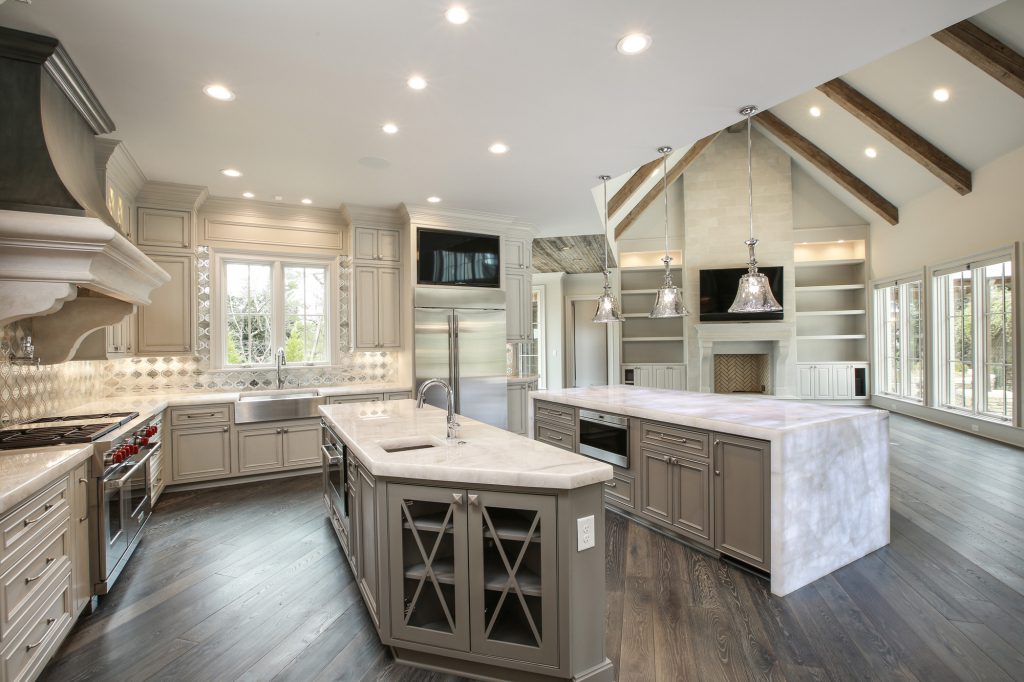
As householders look to improve their residences, they often encounter numerous renovation options designed for specific preferences and preferences. These projects are generally grouped into a few distinct groups, each focusing on particular areas of home improvement. Renovating the kitchen involves modernizing fixtures, cabinetry, and layouts to enhance functionality and aesthetics. Bathroom remodeling typically involves upgrading fixtures, tiles, and shelving options for greater ease and visual flair.
Whole-home remodeling encompasses significant changes throughout the residence, frequently involving changing the structure to make the most of the space and movement. Outdoor renovation projects, conversely, focus on boosting the home's outward appearance, dealing with the cladding, roofing, and the garden design. Moreover, niche projects such as completing the basement and loft remodeling allow homeowners to maximize unused areas. Every renovation category delivers specific perks, allowing property owners to select choices that fit their desired outcome for their home life. Understanding these distinctions is vital for making informed decisions during the renovation process.
Setting a Realistic Budget for Your Home Improvement Work
What steps ensure their home upgrades are kept within budget? Creating a sensible budget is vital. Homeowners should begin by determining their fiscal limits, including savings and potential financing options. This initial step will help determine the funds available for the renovation without jeopardizing other monetary duties.
Subsequently, property owners need to investigate the expenses linked to their planned updates, taking into account materials, labor, and unexpected costs that frequently occur. Creating a detailed list of priorities aids in separating necessities from non-essential items, enabling modifications if the finances are strained.
It is prudent to set aside an emergency fund, usually about 10-20% of the overall cost, to handle unforeseen expenses. Regularly reviewing and adjusting the budget throughout the remodeling process can further assist in keeping finances in check. Ultimately, a well-planned budget does more than just confirm the project can be done but also enhances the overall remodeling experience for property owners.
Finding the Best Contractor to Suit Your Project.
Finding a suitable builder can greatly impact how well a renovation turns out. Property owners ought to start by doing comprehensive research, asking for referrals from friends, family, or internet reviews. It is essential to confirm documentation, such as licenses, insurance, and surety bonds, to establish credibility.
When prospective builders are located, they should seek detailed cost breakdowns and timeframes, making it possible to compare options knowledgeably. Interviews provide insight into communication styles and professionalism, that are key to a cooperative effort.
In addition, looking at completed jobs through galleries or recommendations demonstrates the professional's skill level. It is wise to question them regarding warranties or safeguards, which shows the professional's belief in their output.
Ultimately, selecting a contractor who aligns with the homeowner’s vision, budget, and timeline fosters a more positive remodeling experience, ensuring the work fulfills requirements and successfully updates the home's interior.
Planning and Designing The Space You Envision.
As homeowners envision their ideal spaces, meticulous organization and deliberate design become essential components of a successful remodeling project. The beginning stage requires reviewing existing necessities and future desires, which permits a comprehensive grasp of the room's intended function. Owners must take into account practicality, visual appeal, and their individual taste, making sure the design captures their individual tastes.
Next, developing a comprehensive budget is essential. This budget should accommodate materials, workforce costs, and potential unforeseen expenses. Consulting with design experts can provide valuable insights, helping to optimize the space while adhering to budgetary constraints.
Including features such as ample daylight, spacious designs, and eco-friendly supplies can enhance the overall experience. In conclusion, visualizing the project through sketches or digital renderings can help perfect concepts prior to construction. By approaching the planning and design phase with intention, homeowners can create an inviting, efficient space tailored to their lifestyle.
Navigating Permits and Regulations in Home Remodeling
Familiarizing oneself with the red tape and requirements can be daunting for homeowners starting on a remodeling project. Every city or county maintains distinct regulations that determine what is allowed during renovations, typically guided by area restrictions, construction standards, and security requirements. Homeowners must familiarize themselves with local regulations to prevent expensive penalties or construction hold-ups.
Typically, obtaining permits is crucial for substantial modifications, such as modifying load-bearing elements or electrical work. This process usually necessitates providing designs for examination and could involve check-ups at various stages.
Hiring an experienced builder can make this procedure easier, as they are usually well-versed in local regulations and can assist with paperwork. Owners must also maintain clear communication with the city's regulatory body to ensure adherence throughout the project. By understanding and maneuvering through these requirements, homeowners can fulfill their improvement aims while ensuring safety and legality in their renovations.
Frequently Asked Questions
How Long Does a Typical Home Remodeling Project Take?
A typical home remodeling project usually takes between three to six months, depending on the scope of work, size of the home, and supply chain status. More involved renovations might need extra time for completion.
What are the frequent blunders you should steer clear of throughout the renovation process?
Common mistakes when renovating a home are things like failing to budget properly, neglecting permits, missing scheduled deadlines, not maintaining clear communication with contractors, and failing to think about long-term functionality. Awareness of these pitfalls often results in a more efficient, more successful remodeling experience.
How should I go about choosing the appropriate materials for my project?
Choosing the right materials involves evaluating their resilience, aesthetics, and cost constraints. Looking into different products, getting expert advice, and factoring in how much care they require are vital steps in reaching educated conclusions, making sure the renovation matches your functional and aesthetic goals.
Will I be able to reside in my property during renovations?
It is possible to remain in their home while work is ongoing, but you should expect some hassle. Careful planning, clear communication with contractors, and setting aside certain zones for essential activities can lessen the stress essential resource during the process.
What kind of coverage should be provided by my builders?
Homeowners should expect warranties covering workmanship, the supplies used, and structural components, which usually last between one to ten years. You must carefully check the exact provisions alongside your builders to clearly grasp what is covered and what is excluded.